

The Elegance of Metal and Stone: Exploring the Beauty of Mangal Sutra
₹1,299.00 Original price was: ₹1,299.00.₹349.00Current price is: ₹349.00.
🫴 Free Earring Gift On Pre-paid order's ⭐
🫴 20% instant dscount on pre-paid order 🔥
Buy more save more!
Buy 3 items get 5% OFF
on each productBuy 6 items get 10% OFF
on each productUnderstanding Mangal Sutra: Cultural Significance and Symbolism
The mangal sutra holds immense cultural significance in Indian traditions, representing the sacred bond between husband and wife. Derived from the Sanskrit words “mangal,” meaning auspicious, and “sutra,” meaning thread, this ornament is traditionally worn by married women as a symbol of their marital status. It serves not only as an identity marker but also embodies the purity, love, and commitment inherent in the marriage relationship.
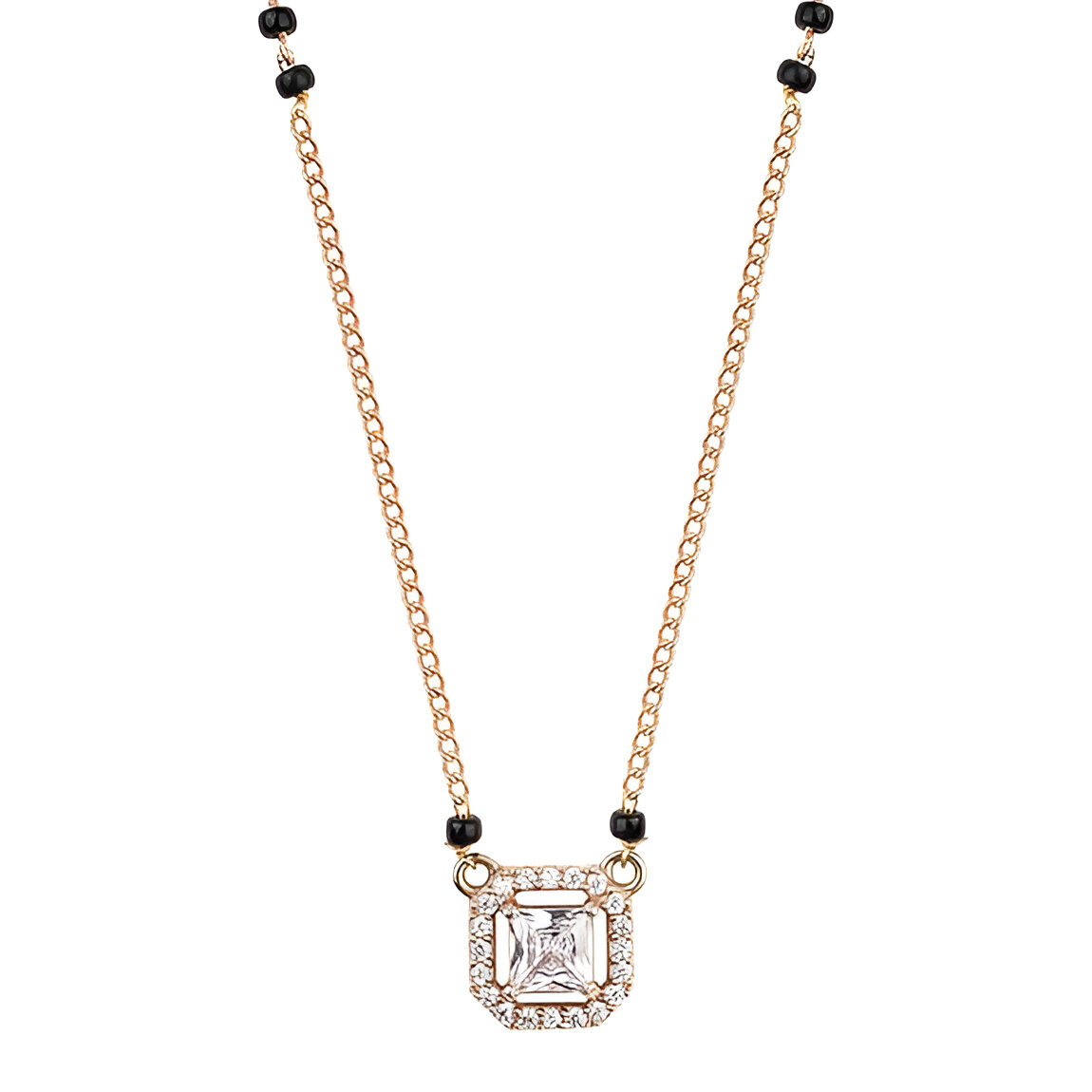
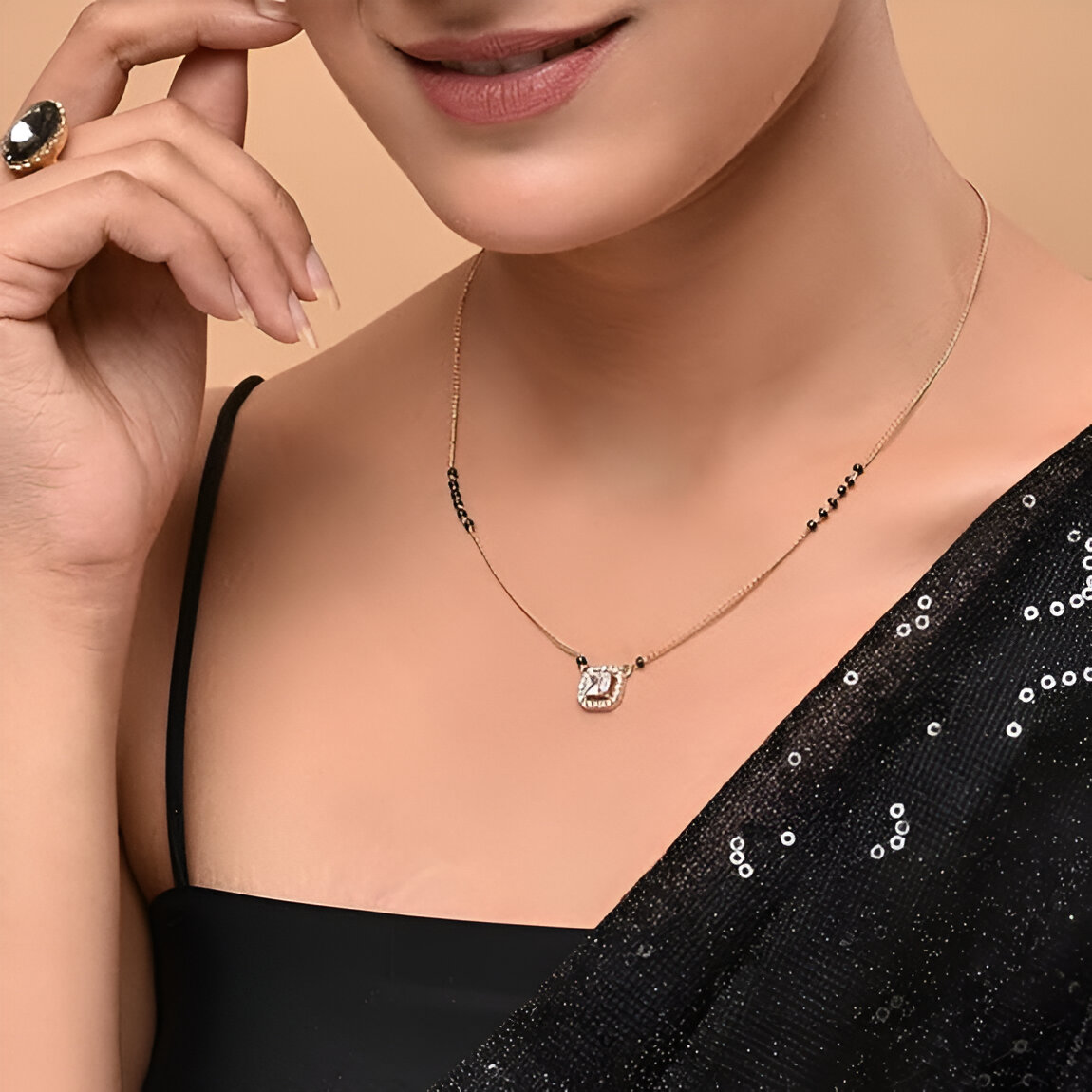
Historically, the mangal sutra has evolved through various eras, reflecting both social and religious values. Its design typically consists of black beads strung together with a pendant, often made of gold, symbolizing prosperity and well-being. The black beads are believed to ward off negative energies, while the gold or gemstone pendant signifies wealth and auspiciousness. Variations on this traditional design highlight regional differences, showcasing the diversity of Indian culture. In many states, the mangal sutra’s style varies, from the simple designs in southern India to the intricate patterns found in northern regions.
The adornment of the mangal sutra is a deeply personal choice that can reflect the wearer’s personality and values. Some women opt for minimalistic styles, while others may choose ornate designs embedded with stones like diamonds or emeralds, signifying their family’s wealth and status. This ornament not only represents marital fidelity but also serves as a statement of individuality. Each mangal sutra is a reflection of the region’s craftsmanship and the cultural values associated with marriage in that community. Thus, the simplicity or complexity of the design enhances the emotional connection it carries, making it a cherished piece of jewelry in every household.
Design Trends: Metal and Stone in Contemporary Mangal Sutras
In recent years, there has been a noticeable shift in the design trends of mangal sutras, with a keen emphasis on the exquisite combination of metal and stone elements. Traditionally, the mangal sutra is a symbol of marital commitment, crafted using materials that hold both cultural and aesthetic significance. Today, gold remains the predominant metal, celebrated for its timeless appeal and ability to convey luxury. However, silver has gained popularity among many for its affordability and modern appeal, allowing for a diverse range of styles in contemporary jewelry.
Alongside the metals, the incorporation of various precious and semi-precious stones, such as diamonds, emeralds, and rubies, has become integral to modern mangal sutra designs. These stones not only add visual allure but also enhance the symbolic depth of the mangal sutra. The choice of gemstones can vary widely, with couples selecting colors and types that resonate with personal significance or birthstones, further personalizing their adornment. The blending of metals and stones creates a harmonious aesthetic that appeals to both traditional tastes and contemporary trends.
Current design motifs often reflect a fusion of traditional artistry and modern sensibilities. Artisans are now exploring innovative styles, including minimalistic designs, floral patterns, and geometric arrangements, which cater to the evolving preferences of today’s brides. This emergence of fresh aesthetics signifies a broader trend where traditional craftsmanship meets contemporary design techniques, yielding unique pieces that maintain their cultural heritage while appealing to modern taste. In the landscape of contemporary mangal sutras, both the metalwork and the choice of stones play critical roles in defining a timeless elegance, celebrating the union of tradition and innovation.12


Reviews
There are no reviews yet.